
Mostly Balanced Podcast
Finding clarity in a world of wellness extremes.
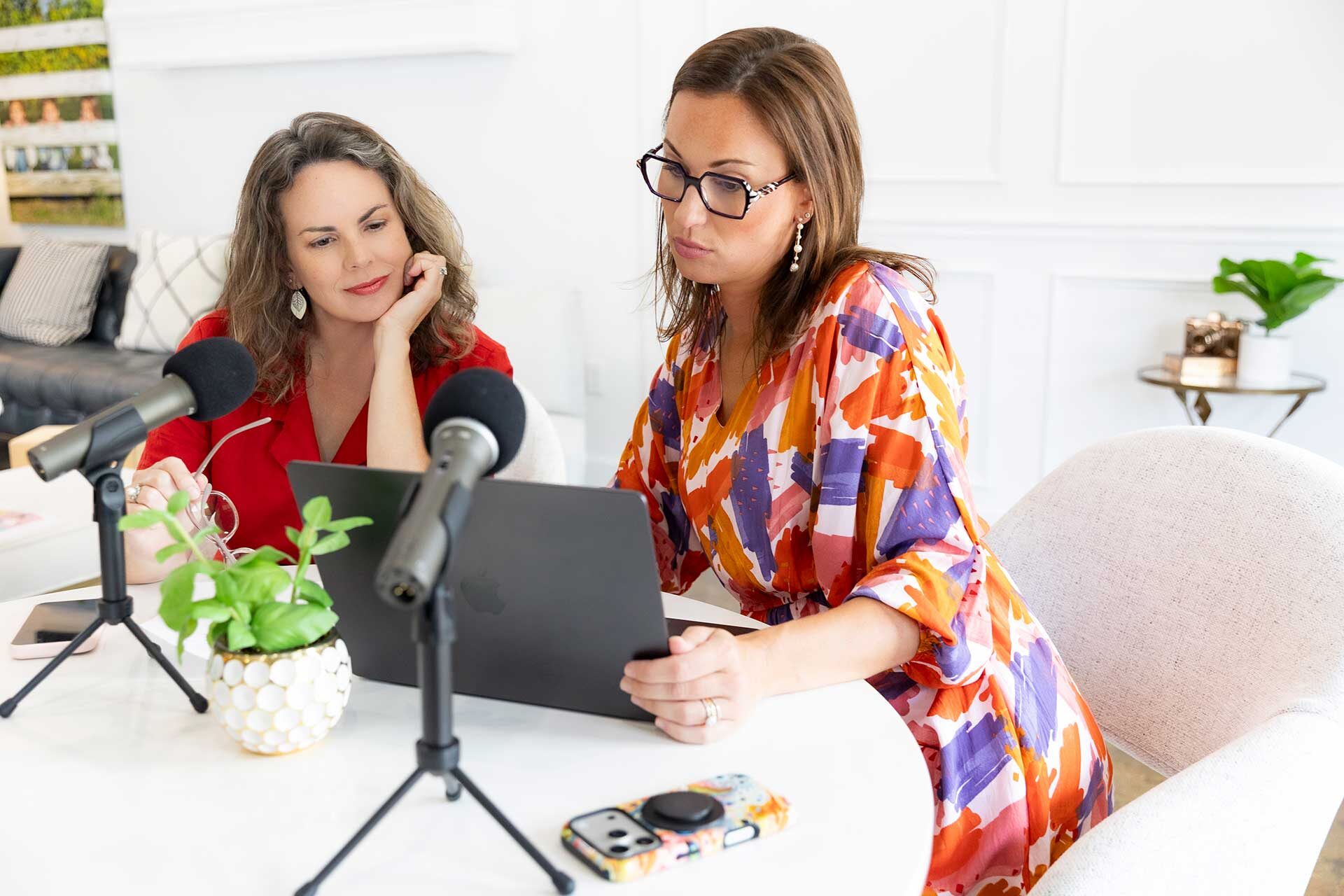
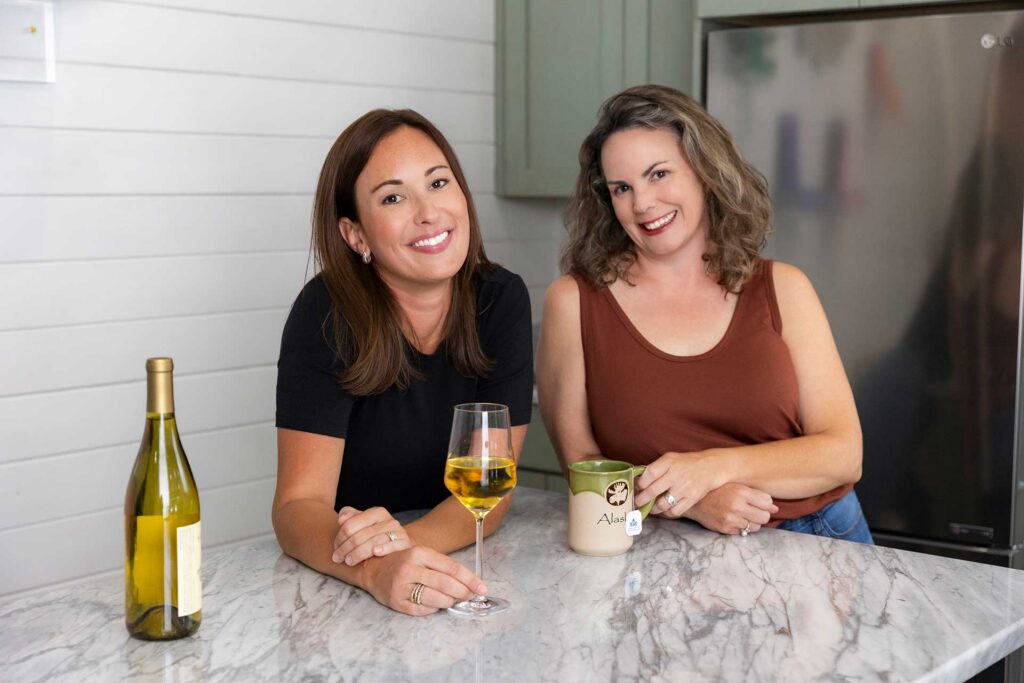
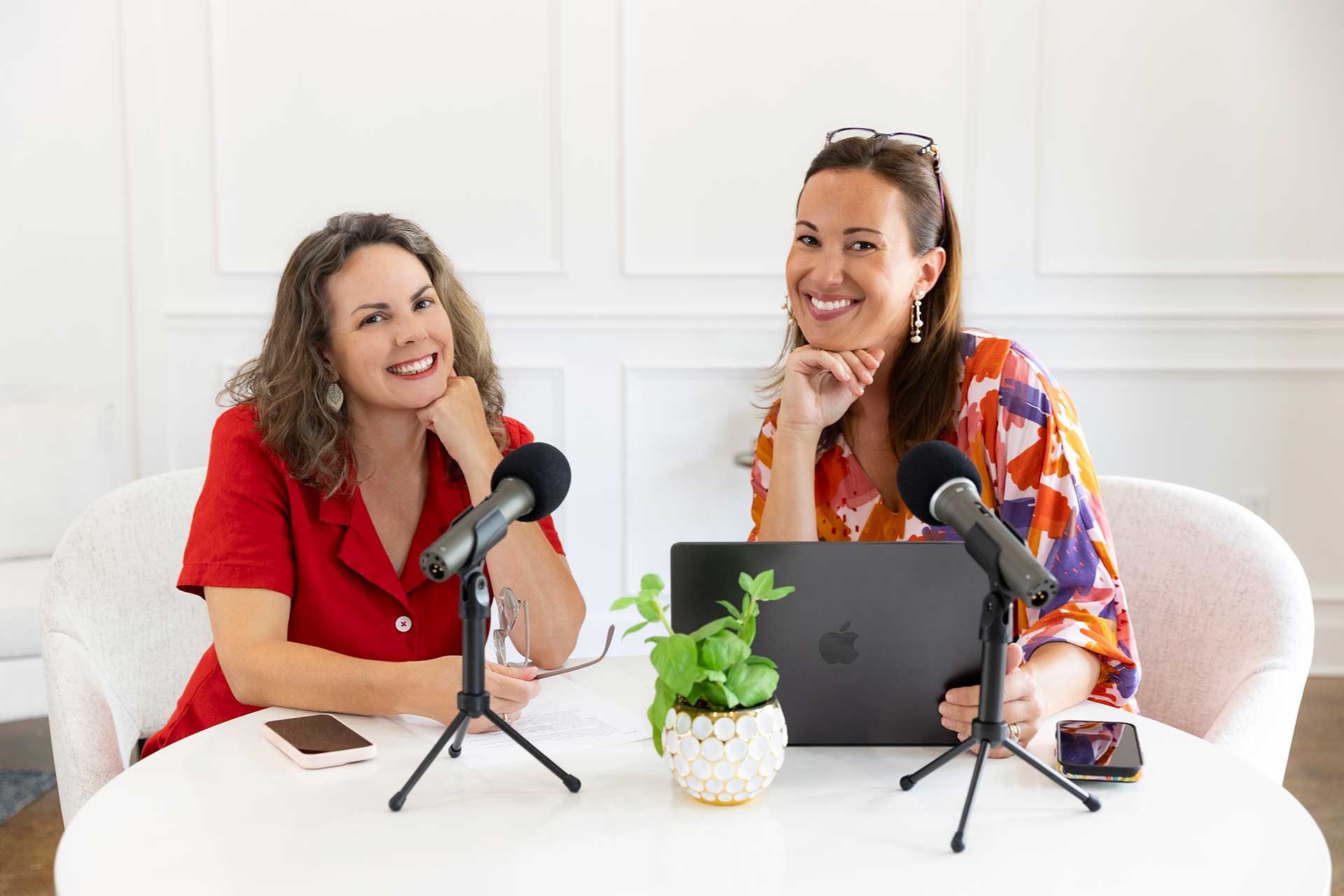
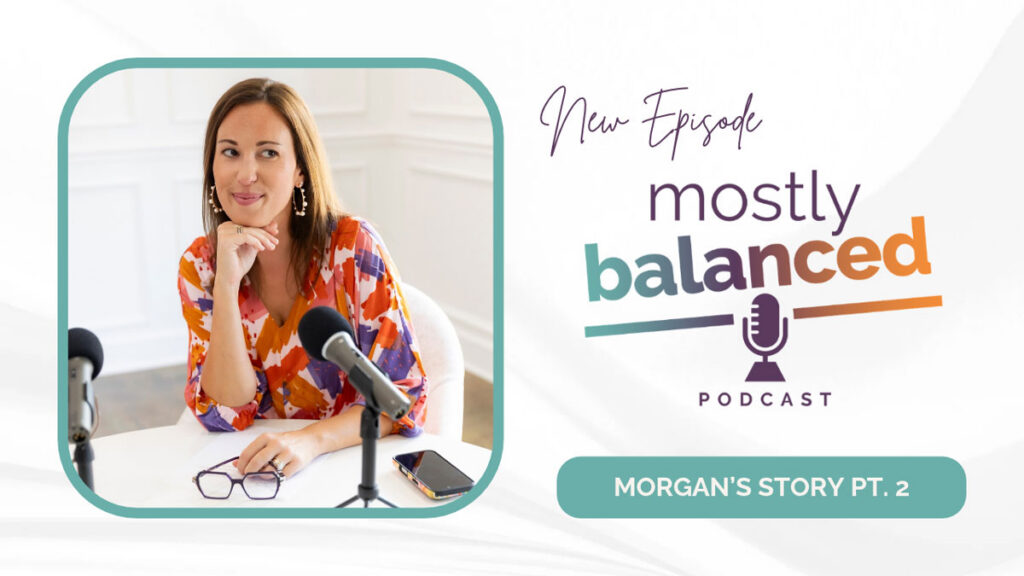
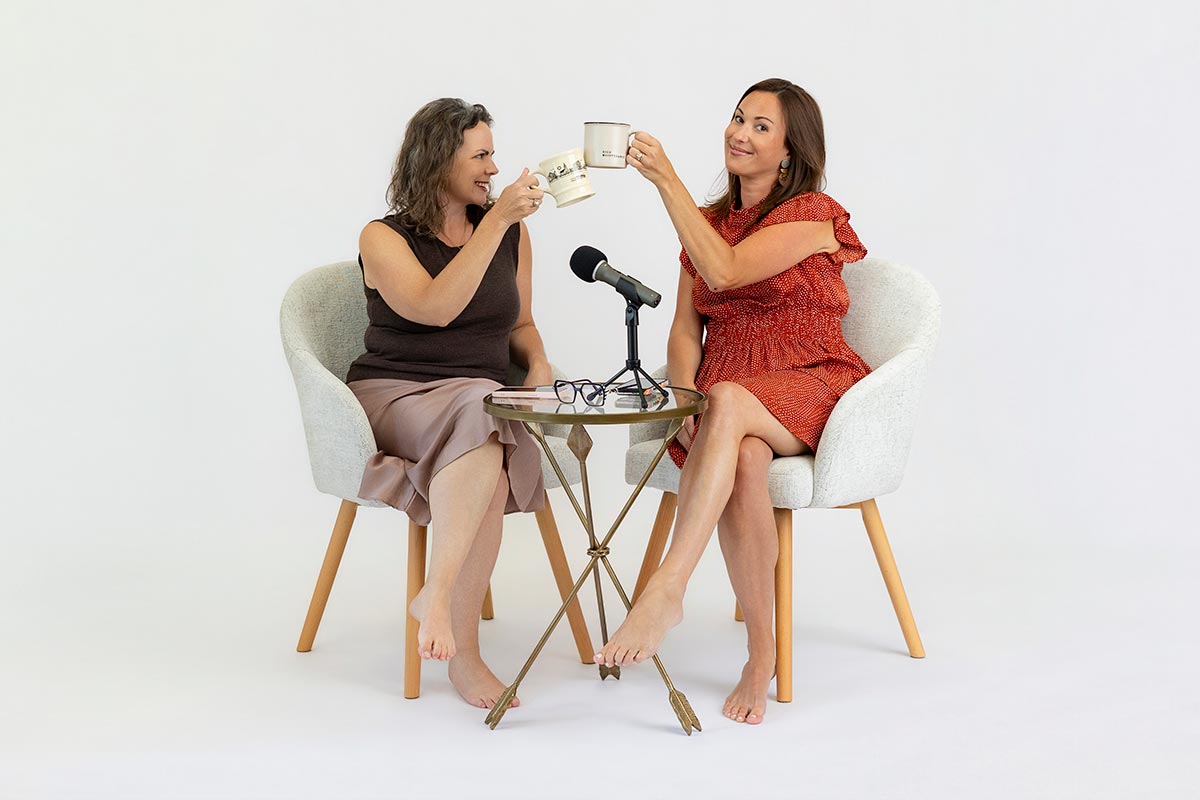
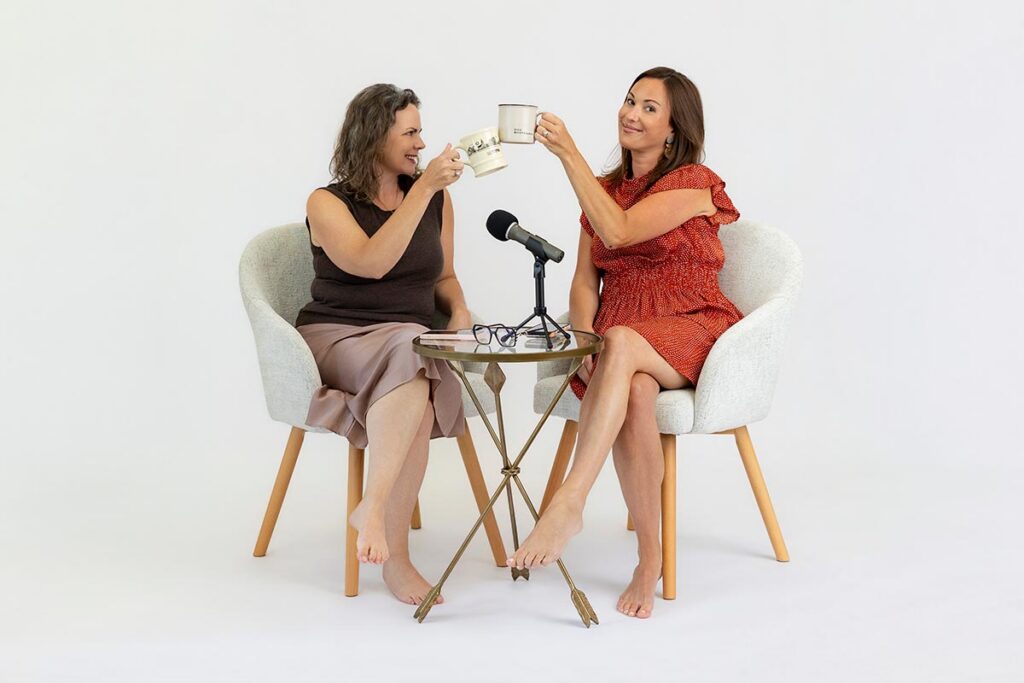
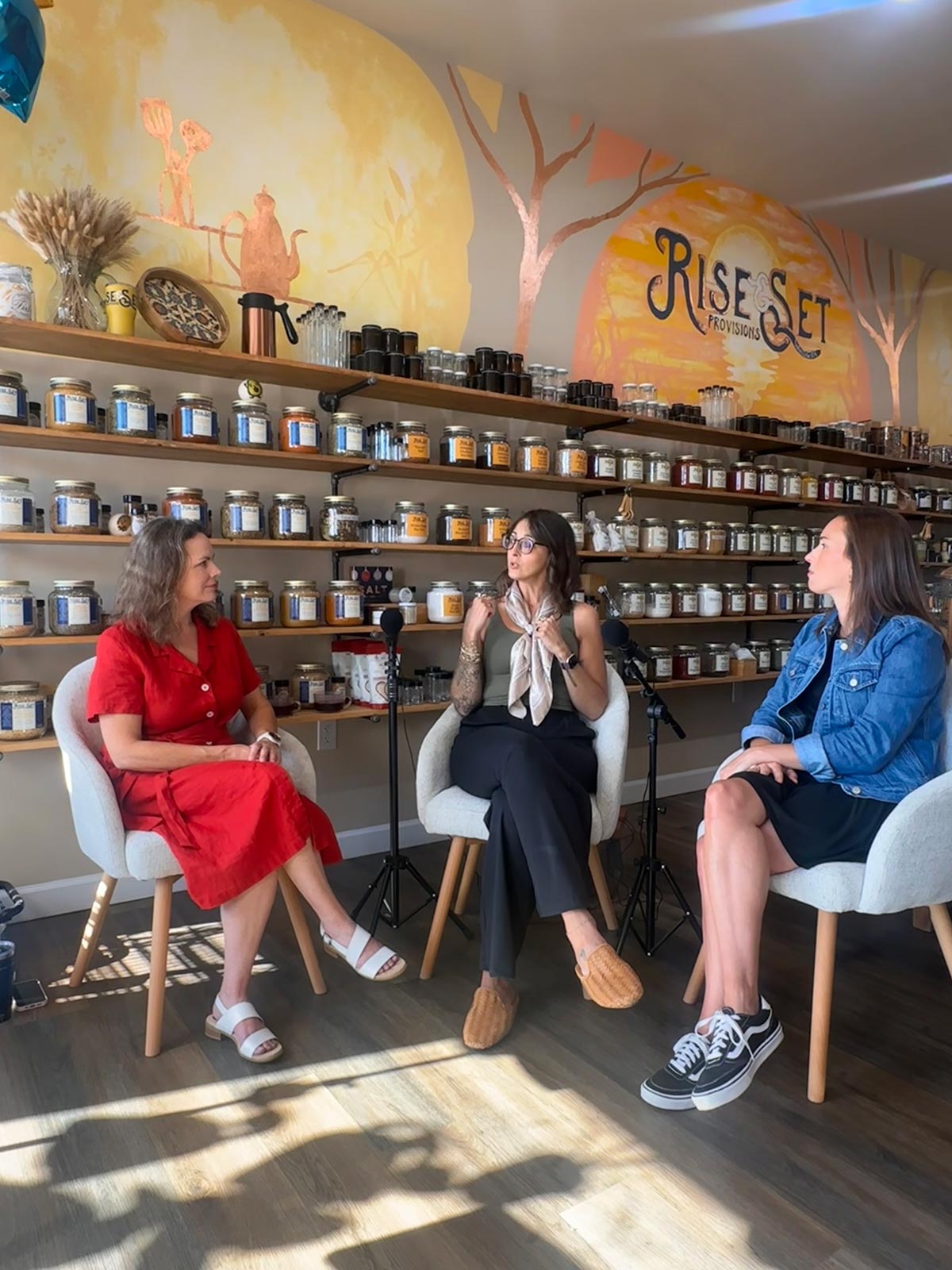
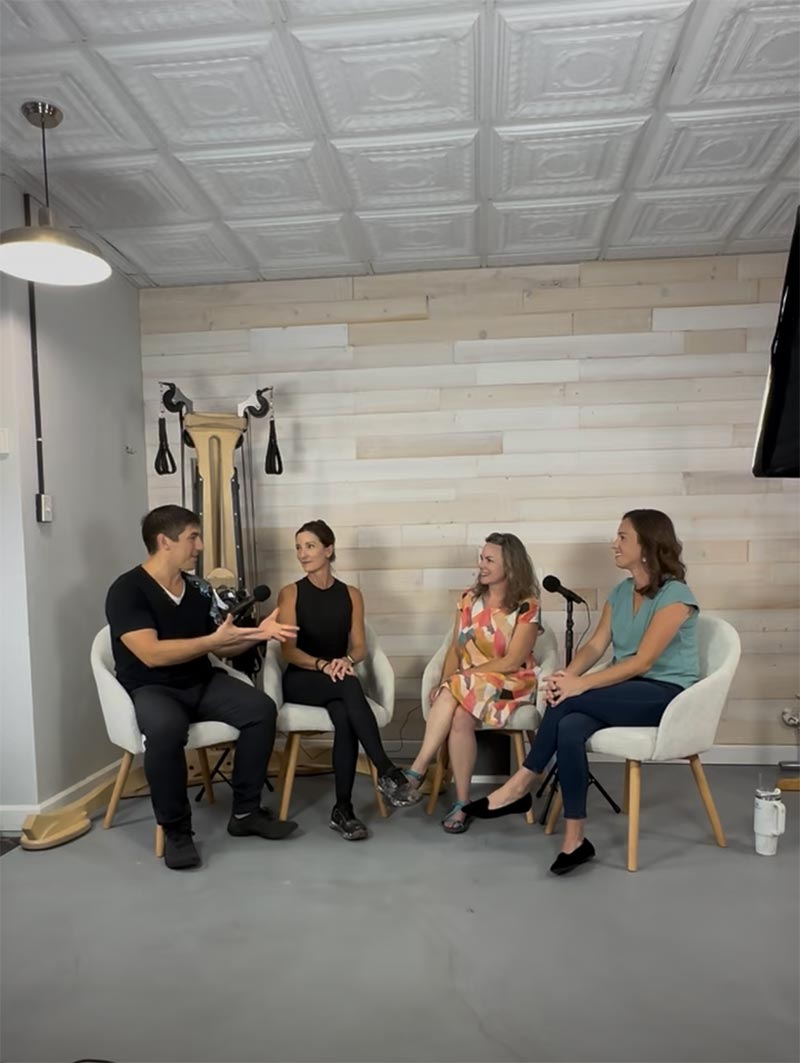
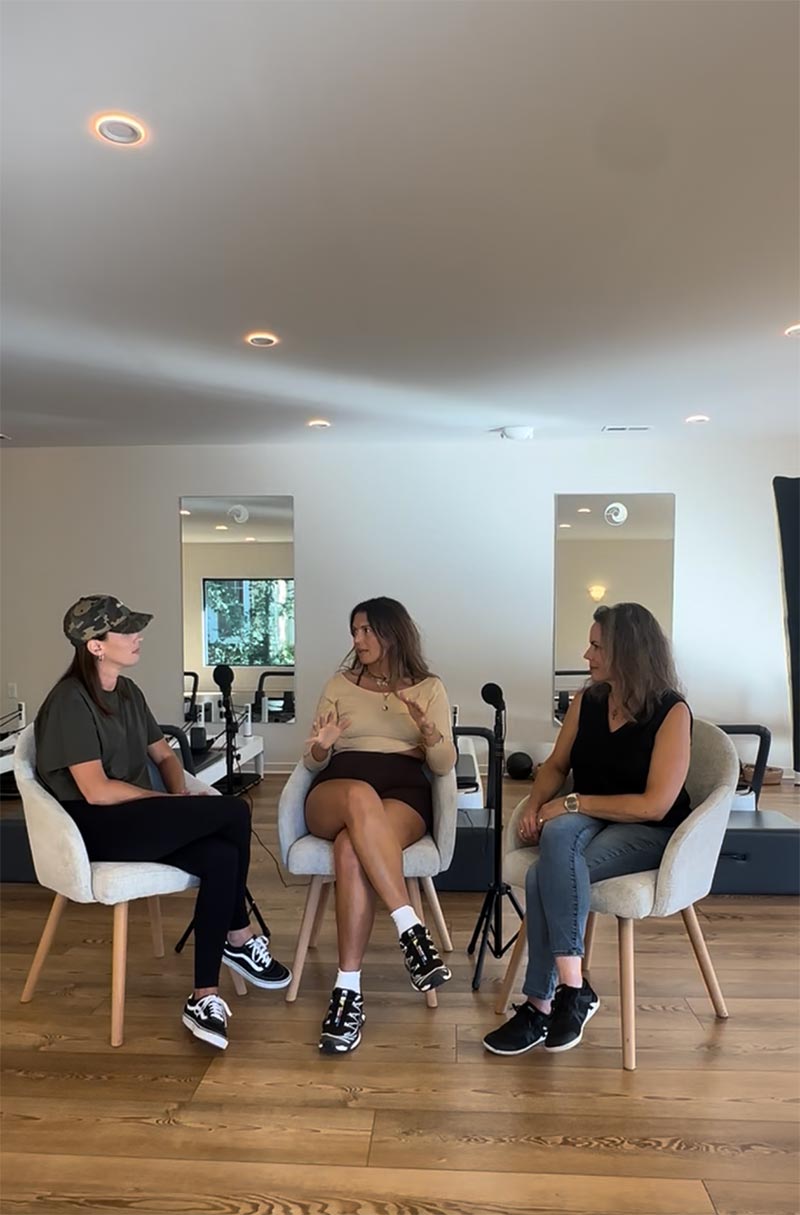
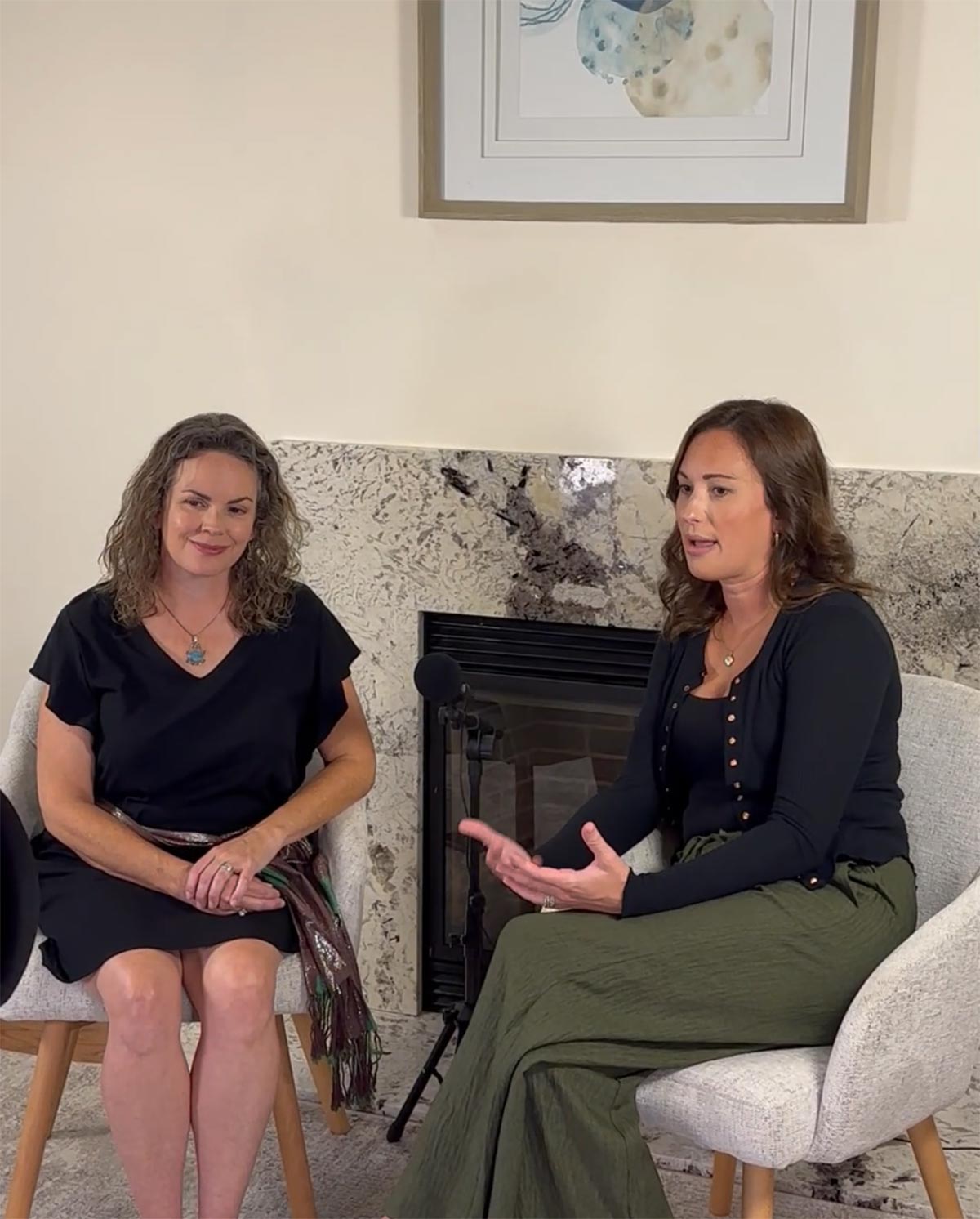
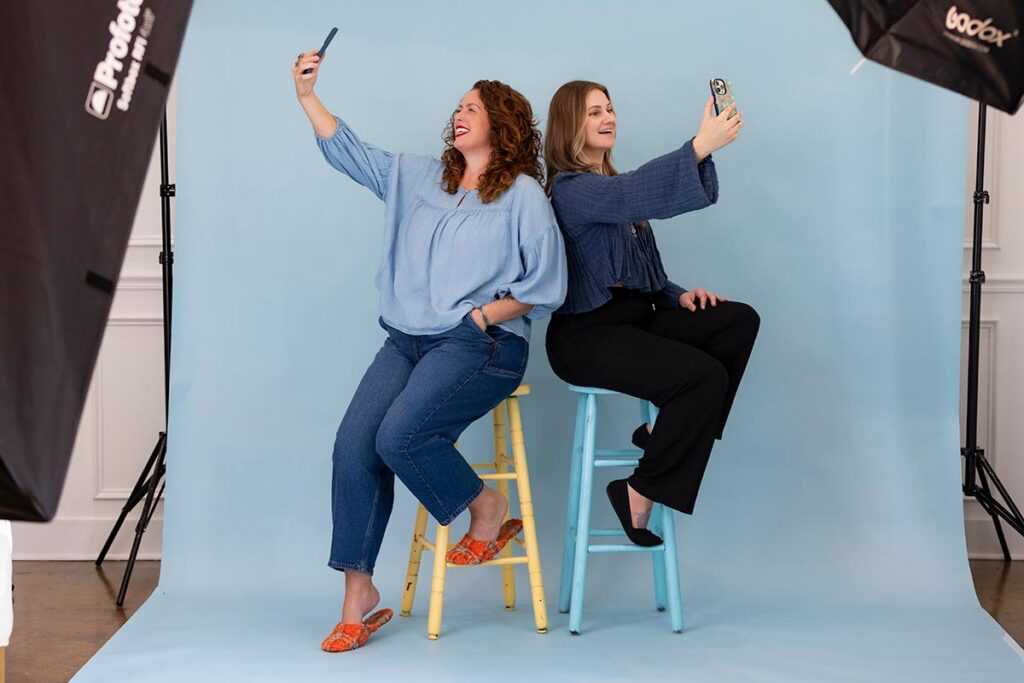
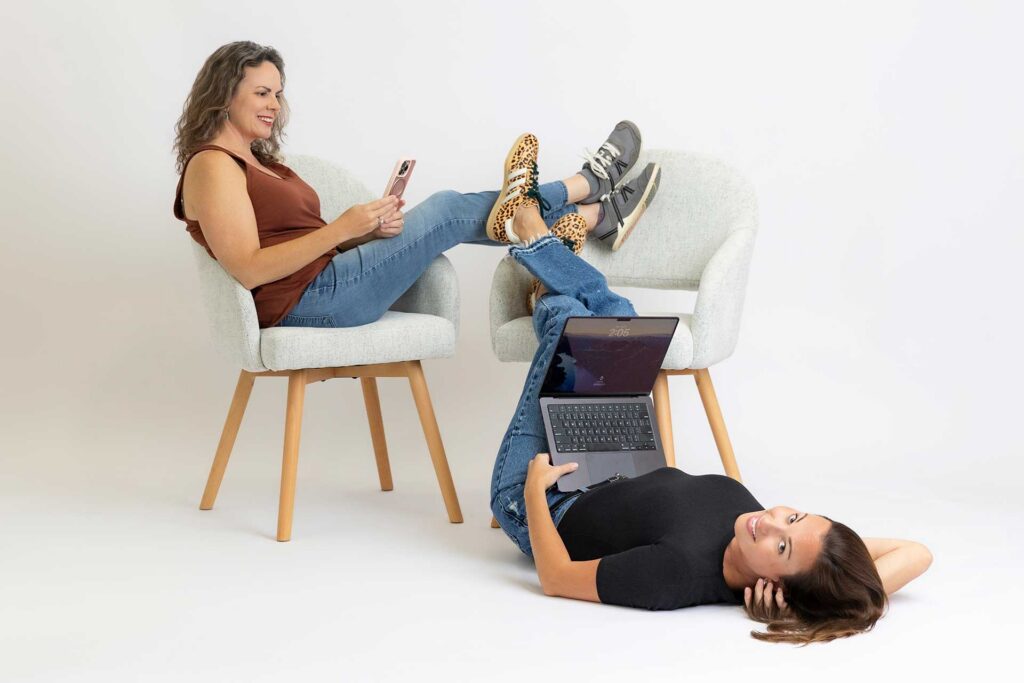
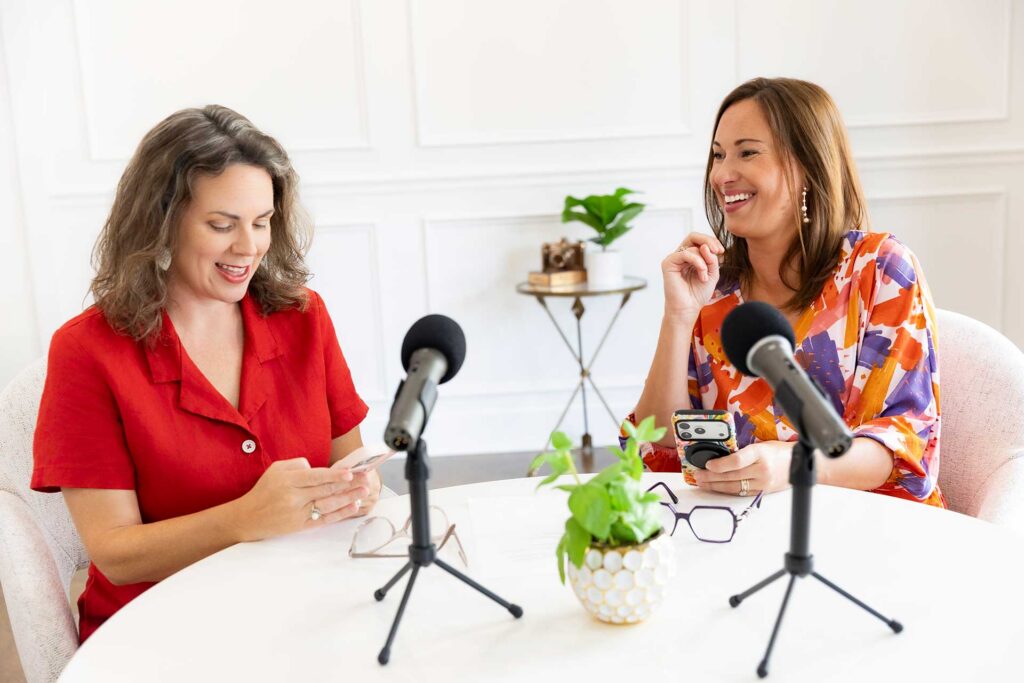
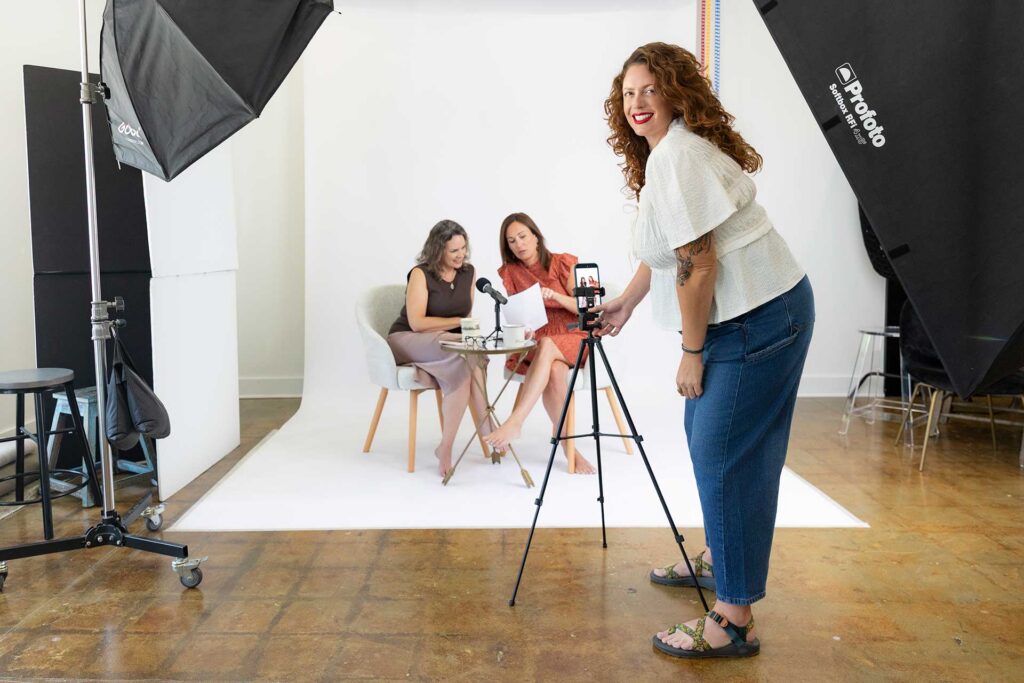
Hosted by Savasa founder Sam Van Saun and co-hosted by Morgan Sanders, Mostly Balanced explores the ideas, practices, and conversations shaping modern wellness.
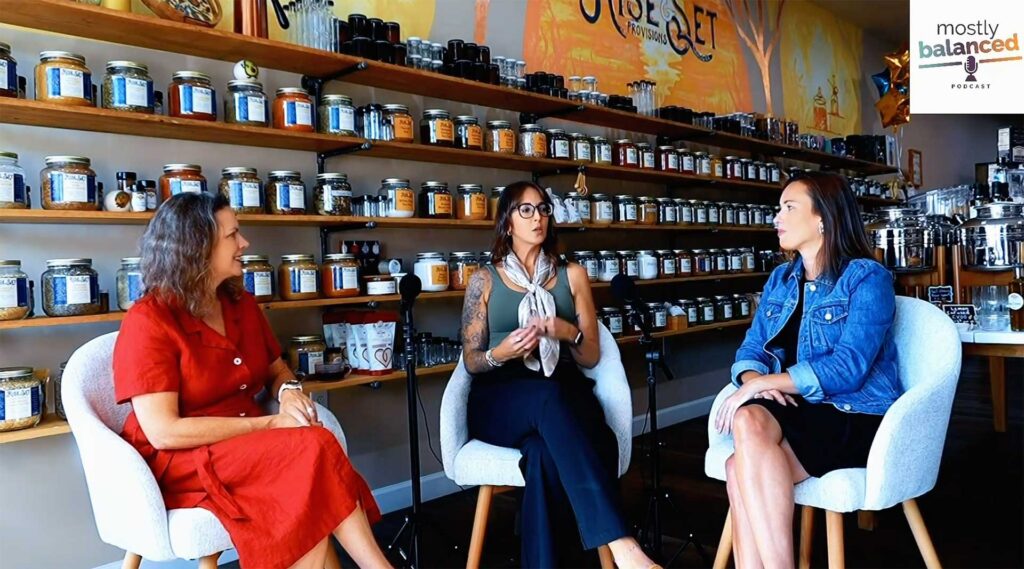
The podcast features thoughtful discussions with practitioners, researchers, educators, advocates, and everyday people who examine a wide range of approaches to health and wellbeing. From prevention and longevity to nutrition, movement, mental health, and quality of life, each episode is designed to help listeners explore options, consider multiple perspectives, and make informed decisions for their own journey.
Rooted in the Northern Neck and Middle Peninsula of Virginia, Mostly Balanced also shines a light on the exceptional wellness professionals, businesses and resources available throughout the region while exploring the latest research, emerging ideas, and practical strategies for everyday wellbeing.
Because wellness isn’t one-size-fits-all.
And perfect isn’t the goal.
Balance is. Well, mostly balanced….
Latest Episodes
Browse past conversations and topics.
Episode Title
Episode Title
Episode Title

Resources & Links
Continue the conversation beyond the podcast.
Explore recommended articles, tools, websites, books, practitioners, and resources discussed throughout Mostly Balanced episodes.
Meet the Hosts
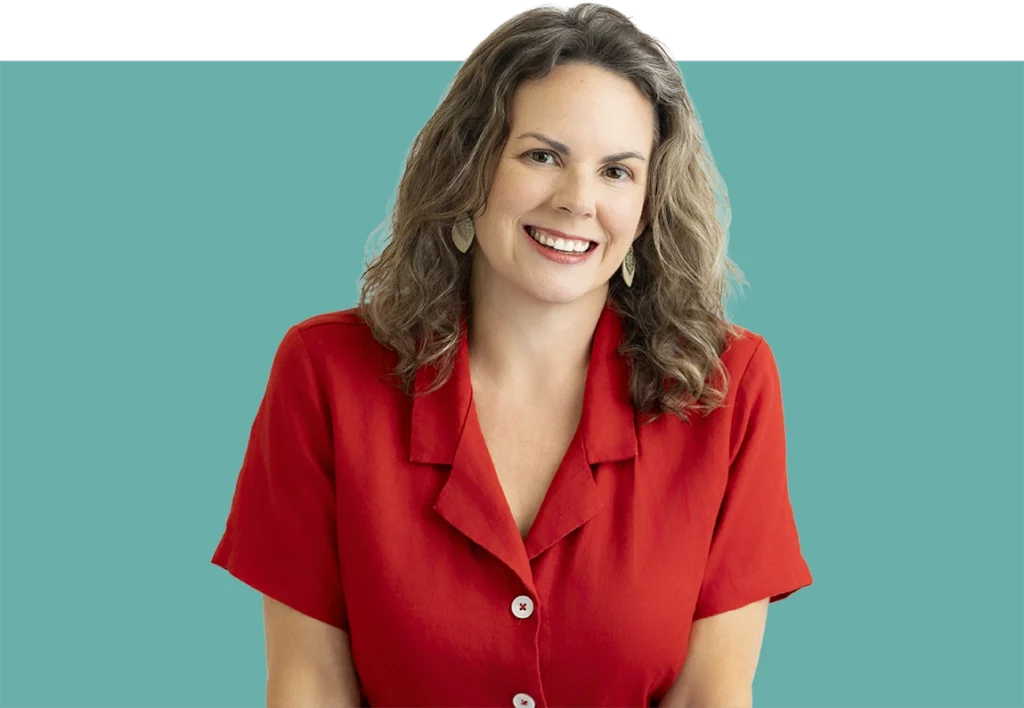
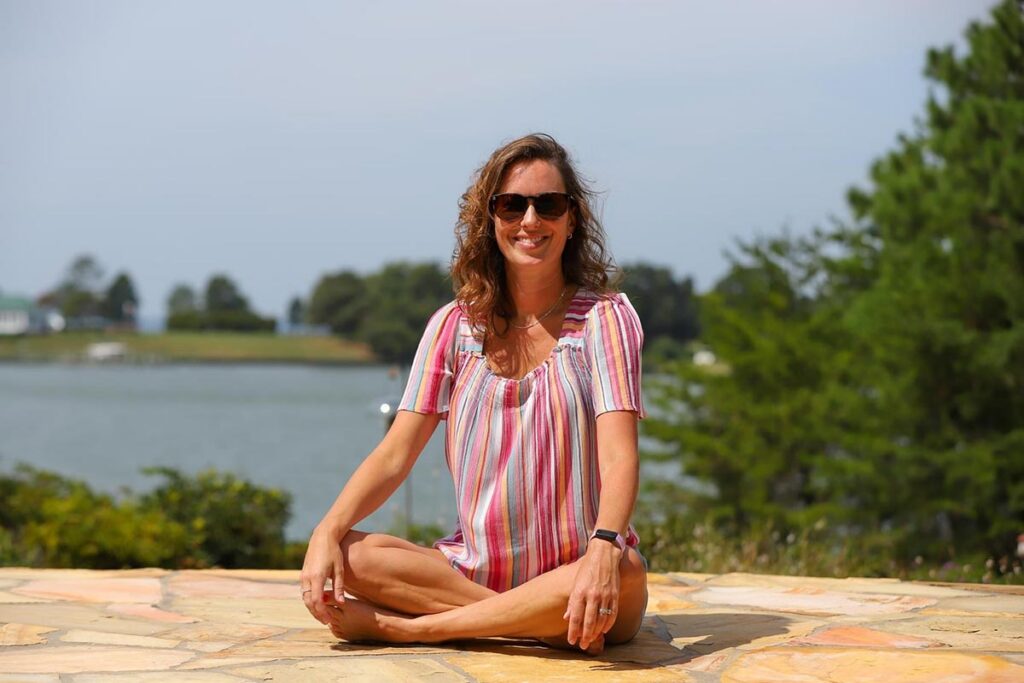
Sam Van Saun
Sam brings lived experience, natural curiosity, and a deeply personal perspective on resilience to Mostly Balanced. Her own wellness journey—from recurring injuries and chronic pain to rediscovering strength, mobility, and joy through GYROTONIC® exercise methods—shapes the honest questions and open-minded conversations she brings to each episode.
DISCOVER SAM’S STORY
Sam’s path to Savasa began with a personal search for a better way forward.
With an academic background in dance and economics, she has always been interested in movement, people and the many factors that shape a meaningful life. Her journey has taken her from international nonprofit work to real estate and community leadership in Virginia’s Northern Neck. But through all of those chapters, health and wellness remained deeply personal.
Learning to Listen to Her Body
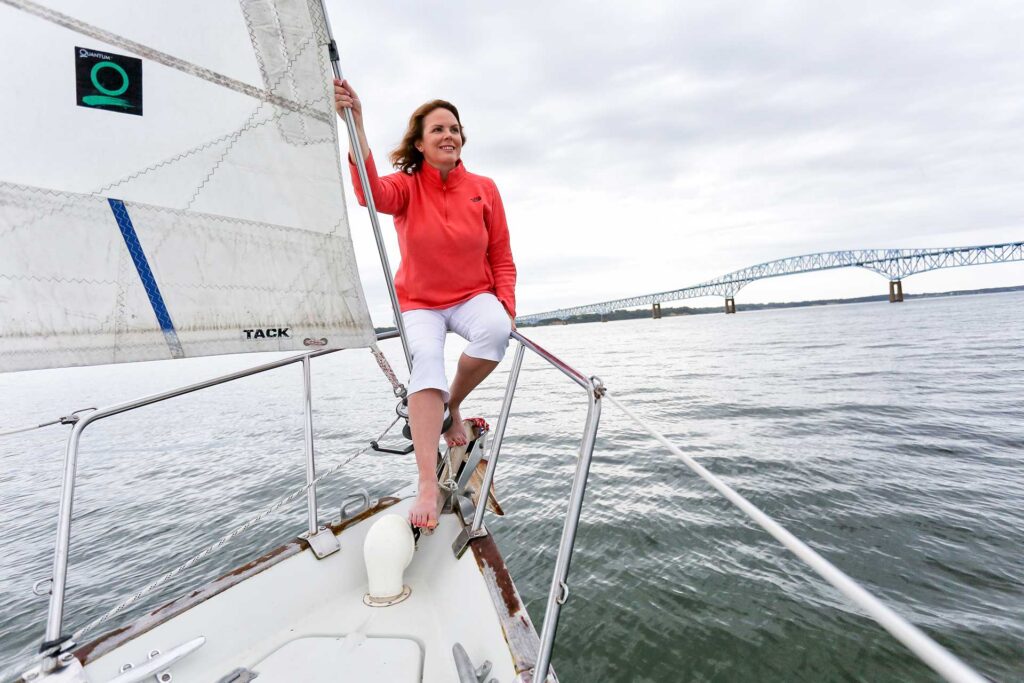
Sam’s health challenges began early. As a child, she dealt with chronic allergies, recurring ear infections and other issues that seemed to signal from the beginning that her body responded differently. As she grew into an active kid and teenager who loved swimming, biking, hiking, dancing and sailing, another pattern emerged: she seemed to injure more easily than the people around her.
Sprained ankles. Strained muscles and tendons. Braces, crutches and slings. Injuries that seemed to take a long time to heal and were often followed by another.
At the time, there was no clear explanation.
Like many people living with recurring pain or symptoms they do not fully understand, Sam learned to push through. She became good at ignoring what her body was telling her.
Looking back, she now recognizes that some degree of chronic pain was present throughout much of her childhood, teenage years and young adulthood. She would later learn that hypermobility was an important part of the picture.
Her love of movement eventually led her to study dance in college, alongside economics. But her body continued to present challenges. She tore her Achilles during her freshman year and dealt with repeated strains and injuries throughout her dance training. In her early twenties, severe hypermobility in both shoulders led to two surgeries.
The procedures addressed an immediate need, but they did not answer the larger question that would increasingly shape Sam’s health journey:
Why was her body responding this way in the first place?
Over the years, that question became more complicated.
In her thirties, Sam discovered she was gluten intolerant. Eliminating gluten from her diet in 2009 helped improve her energy, digestion, inflammation and overall health. At the same time, chronic Achilles tendonitis eventually became so severe that even walking was difficult for several years.
Years of using ibuprofen to manage recurring pain also took a toll. In 2014, an endoscopy revealed internal stomach bleeding. Soon afterward, Sam was diagnosed with Achalasia, a disorder affecting the connection between the esophagus and stomach that made eating increasingly difficult.
In 2016, she underwent a Heller myotomy to address the condition. The surgery helped with the immediate problem but permanently changed the anatomy of her esophagus and stomach, bringing side effects she continues to manage today.
It was another pivotal moment.
Becoming an Active Participant
Sam began to understand that no single practitioner, specialty, treatment or philosophy was likely to provide every answer she needed. She would have to become an active participant in her own health.
That realization ultimately became central to the philosophy behind Savasa.
Sam believes deeply in the value of conventional medicine. She has needed it, benefited from it and continues to rely on it. But her experience has also taught her that medical care can be one piece of a much broader wellness picture—one that may also include nutrition, movement, physical therapy, supplementation, alternative therapies and other resources.
For Sam, wellness is not about choosing one approach over another.
It is about remaining curious. Asking questions. Advocating for yourself. Exploring the resources available to you. And ultimately figuring out what works for your own body, circumstances and life.
Some of the most meaningful discoveries in Sam’s journey have come from doing exactly that.
Rediscovering Movement and Hope
Following her esophageal surgery, weakness and muscular imbalance led to a severe episode of back pain. Physical therapy helped her make progress, but Sam knew she needed a sustainable practice she could continue on her own.
Drawing from her physical therapy exercises and her background in dance and movement, she began developing a gentle morning routine. She practiced it consistently and gradually noticed changes: less pain, greater mobility and an easier relationship with movement.
Years later, she would develop that personal practice into a class she called Morning Warmup. She still begins most days with some version of it.
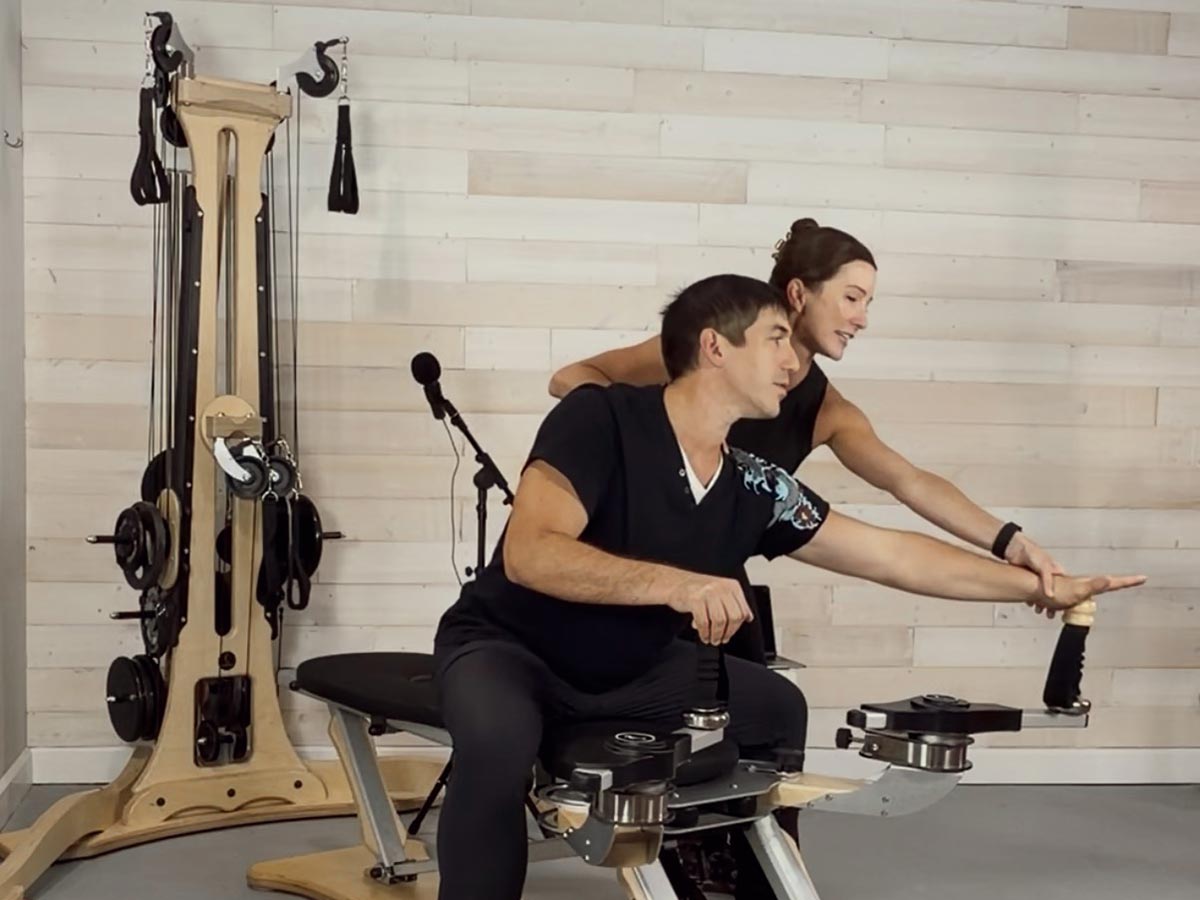
Then, in 2023, a story in The Local Scoop led Sam to Motion Studios and her first GYROTONIC® session.
From the beginning, she felt something she had not experienced in years: a sense of safety, possibility and hope.
At the time, areas of her shoulders, pelvis and back had become so stiff and restricted that Sam had begun to accept some physical limitations as permanent. Through consistent GYROTONIC® practice, she gradually regained strength, mobility and function she had not been sure she could recover.
Just as importantly, movement began to feel creative and joyful again.
Today, Sam shares that experience as a GYROTONIC® instructor.
Nutrition became another important piece of the puzzle. Beginning in 2025, working with a food coach helped Sam focus more intentionally on giving her body the nutrients it needed through food and thoughtful supplementation. Combined with gentle, consistent movement, those changes led to a significant improvement in her health and quality of life.
Building a Personal Wellness Toolkit
None of this means Sam believes she has everything figured out.
She doesn’t.
Her health remains an ongoing process, and she continues to learn, experiment, ask questions and discover what works—and what does not work—for her.
The difference today is that she has tools. She understands her body better. She pays attention to what it is telling her. And rather than searching for one person or one solution to fix everything, she has learned to build a wellness toolkit from many different sources.
That experience inspired Savasa.
From One Story to a Shared Conversation
As founder and host of the Mostly Balanced podcast, Sam brings her lived experience, natural curiosity and willingness to ask honest questions to conversations about health, wellness and the many ways people find their own path forward.
Her story is not intended to be anyone else’s prescription.
It is simply one story.
And that is part of the idea behind Mostly Balanced: everyone brings a different experience, a different body, a different set of challenges and a different perspective.
Through conversations with practitioners, experts and people with stories worth sharing, Sam hopes listeners will encounter ideas, resources and possibilities they may not have considered before.
Because wellness is not one-size-fits-all.
Savasa is bigger than any one person’s story. Our individual experiences may be what motivate us to begin asking questions, but the larger goal is to share what we learn along the way—the breakthroughs, the setbacks, the resources, the practical tools and even the things we are still figuring out.
Sam’s hope is simple: that something she has learned through her own journey might help someone else discover another piece of theirs.
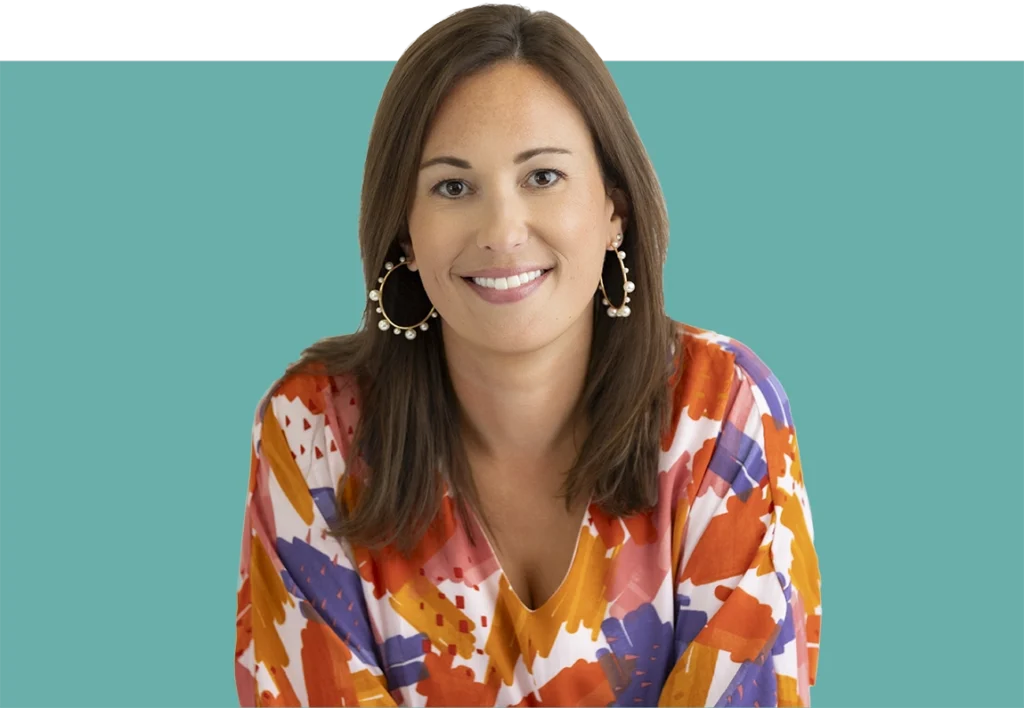
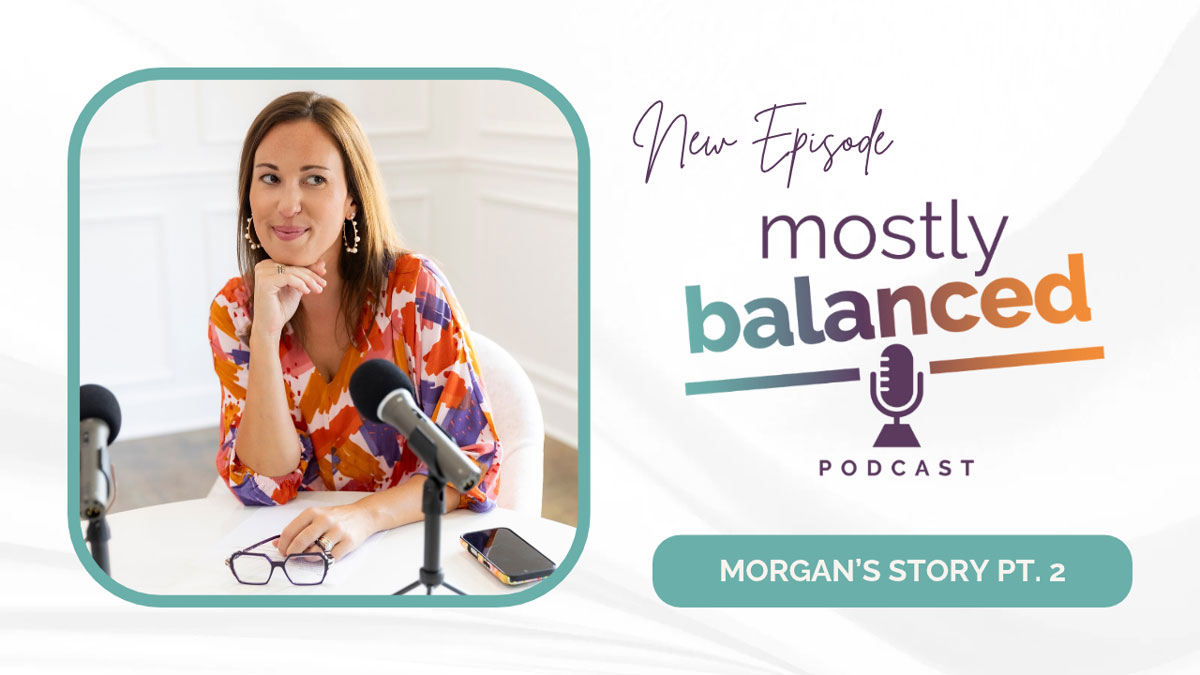
Morgan Sanders
Morgan brings a storyteller’s curiosity and a community-minded perspective to Mostly Balanced. As Editor of The Local Scoop and creator of The Salty Spine (@hellosaltyfriends), she approaches wellness as a fellow traveler—asking questions, considering different perspectives, and helping make complex conversations feel approachable, relatable, and useful.
DISCOVER MORGAN’S STORY
Morgan has built her career around the belief that authentic stories create meaningful connections. As Editor of The Local Scoop, she helps uncover the people, places and ideas that make communities special while helping small businesses grow through strategic marketing, creative storytelling and trusted relationships.
But her path into the wellness world began with a story much closer to home: her own.
When Something Didn’t Feel Right
After the birth of her second child in 2018, Morgan expected that eventually she would feel like herself again. When she didn’t, she initially chalked it up to the realities of life with two young children.
But the discomfort kept growing.
By the end of 2019, Morgan was dealing with persistent lower back and lower body pain, overwhelming fatigue, eye floaters, leg spasms, balance issues, hand tremors, heat intolerance, cognitive fog and debilitating anxiety. Activities that once felt ordinary—even something as basic as deep cleaning the house—became difficult.
She knew something was wrong.
What followed was a frustrating search for answers.
Morgan saw multiple specialists. She underwent MRIs and other testing to rule out neurological conditions, including multiple sclerosis. She received steroid injections in her spine and tried a number of prescription medications.
Eventually, she was diagnosed with early-onset degenerative disc disease and fibromyalgia.
The diagnoses gave names to some of what she was experiencing, but they did not give Morgan the sense that she understood why her health had changed so dramatically—or what she could do to meaningfully change the trajectory.
She felt increasingly disconnected from her body and discouraged by the possibility that this level of pain and limitation might simply be her new normal.
A Turning Point in Her Health
In early 2021, Morgan decided to remove breast implants she had had for 13 years.
On February 3, she underwent an explant procedure that included an en bloc capsulectomy and mastopexy. Her implants were not ruptured, and her pathology results were clear. Still, Morgan had reached a point where she wanted to see what life without them might look like.
Over the months that followed, she experienced changes she had not expected.
She lost significant weight and inflammation began to wane. Her chronic fatigue began to lift. Her balance improved. Tremors and spasms became less frequent. Her anxiety became more manageable. Gradually, she began to recognize herself again.
Morgan came to believe that her implants had played a role in the collection of symptoms commonly described by patients as Breast Implant Illness, or BII.
Just as importantly, the experience changed the way she thought about her own health.
She became more willing to question, explore and advocate for herself.
Rebuilding Strength and Hope
Then, in April 2021, another important piece of her recovery entered the picture.
Morgan took her first GYROTONIC® class at Motion Studios.
She immediately felt that she had found a form of movement her body could tolerate—and, more importantly, something that might help her rebuild rather than simply push through pain.
She committed to private sessions once or twice a week.
Over time, the consistency began to change her relationship with her body. She regained strength and mobility and found herself better able to manage pain without relying on daily medications that had brought their own challenges and side effects.
For the first time in years, Morgan felt that the trajectory of her life was moving in the right direction.
Hope returned.
She began to believe she could feel strong again, participate fully in her own life and show up for her children in the way she wanted to.
From “Just Do It” to “Try It All”
Since then, Morgan’s approach to wellness has continued to evolve.
She has maintained her regular GYROTONIC® practice while exploring other forms of movement and self-care, including acupuncture, cupping, Pilates and sound-based practices.
Her mindset shifted from simply trying to get through the day to becoming genuinely curious about what else might help.
In Morgan’s words, she went from “just do it” to “try it all.”
That curiosity has become one of the defining characteristics she brings to Savasa and the Mostly Balanced podcast.
Morgan does not approach wellness as someone who believes she has all the answers. Quite the opposite.
She describes herself as a relative newcomer to the wellness world—someone who is experimenting, learning, asking questions and becoming increasingly comfortable with not knowing exactly where a new path might lead.
That willingness to explore is deeply personal.
There was a time when Morgan could not have imagined herself becoming passionate about wellness, much less considering becoming a GYROTONIC® instructor. Today, the possibility feels like a natural extension of everything she has experienced.
Her journey has made her especially passionate about women who are postpartum, living with chronic pain or simply feeling disconnected from their bodies.
She wants them to know that suffering quietly does not have to be the end of the story.
For Morgan, one of the most important lessons has been learning to participate actively in her own well-being—to ask more questions, seek additional perspectives and remain open to approaches beyond the ones she initially knew.
She still believes conventional medicine has an important role to play. But her own experience has also made her interested in what can happen when medical care exists alongside movement, nutrition, restorative practices, alternative therapies and a deeper awareness of the body.
That perspective fits naturally with Savasa’s larger philosophy: wellness is personal, and there is rarely one answer that works for everyone.
Making Wellness Conversations More Human
As creator of The Salty Spine, Savasa’s client liaison and co-host of the Mostly Balanced podcast, Morgan brings both sides of herself to the conversation: the professional storyteller who knows how to ask a good question and the fellow traveler who is still discovering the answers for herself.
Her goal is to make wellness conversations feel approachable rather than intimidating, relatable rather than prescriptive and useful rather than overwhelming.
Mostly Balanced gives her a place to ask the questions she once wished someone had helped her ask.
What else is out there?
What has worked for someone else?
What might be worth learning more about?
And how do we become better advocates for our own health without pretending there is one perfect way to do it?
Morgan’s story is not a roadmap for anyone else.
It is one example of what can happen when you begin listening differently to your body, asking more questions and giving yourself permission to explore.
She is still experimenting. Still learning. Still leaning into the unknown.
And she is here for all of it.
Be a Guest
Interested in sharing your expertise, experience, or story?
We’d love to hear from you.
FAQs
What is the Mostly Balanced podcast about?
Mostly Balanced is a health and wellness podcast by Savasa about finding clarity in a world of wellness extremes. Each episode explores the space between all-or-nothing thinking to help listeners weigh their options and make informed decisions for their own journey.
Who hosts Mostly Balanced?
Who hosts Mostly Balanced?
Savasa founder Sam Van Saun hosts Mostly Balanced, and Morgan Sanders co-hosts. Sam is a GYROTONIC® instructor with a background in dance and business. Morgan is Editor of The Local Scoop and creator of The Salty Spine. Both bring their own health journeys and experiences with chronic pain management to the conversation.
What topics does the podcast cover?
Episodes cover nutrition, movement, mental health, longevity, prevention, and quality of life. They also cover new research, emerging ideas, and practical strategies for everyday wellbeing.
Who are the podcast’s guests?
Guests include practitioners, researchers, educators, advocates, and everyday people with stories to share. Many are wellness professionals and business owners from Virginia’s Northern Neck and Middle Peninsula.
Where can I listen to Mostly Balanced?
Mostly Balanced is available on Spotify and YouTube.
How often are new episodes released?
New episodes are released every Thursday except for holiday weeks.
How can I be a guest on Mostly Balanced?
Fill out the contact form and select “Become a Guest.” Share a little about yourself, your business if you have one, and the topics you’d like to discuss.
Where can I find the resources mentioned on the show?
A Resources & Links section is coming soon. It will include the articles, books, tools, websites, and practitioners discussed on Mostly Balanced. Join the mailing list to hear when it launches.
How do I get notified about new episodes?
Sign up for the Savasa mailing list. You can also follow Mostly Balanced on Instagram, Facebook, TikTok, and YouTube.
Does Mostly Balanced give medical advice?
No. The hosts and guests share personal experiences and professional perspectives for educational purposes. Talk with your healthcare provider before making decisions about your health.